Ash Fusion Analyzer IF2000G Series in Modern Coal and Fuel Testing Laboratories
Introduction
In fuel testing and combustion research, understanding ash behavior at high temperatures is critical for efficient and safe operations. Ash-related problems such as slagging, fouling, clinker formation, and furnace damage can significantly affect power plants, steel production units, cement kilns, and gasifiers. The Ash Fusion Analyzer IF2000G Series is designed to accurately determine Ash Fusion Temperatures (AFT) of coal, coke, lignite, and biomass fuels under controlled laboratory conditions.
With increasing demand for high-efficiency combustion systems and strict emission regulations, reliable ash fusion analysis has become an essential part of fuel quality evaluation. The IF2000G Series represents a modern, automated solution that combines precision heating, digital imaging, and standards-compliant testing to deliver consistent and reproducible results.
This blog serves as a comprehensive guide to the Ash Fusion Analyzer IF2000G Series, explaining its working principle, components, testing stages, applications, standards, benefits, and best practices for laboratories and industrial users.
What Is an Ash Fusion Analyzer?
An Ash Fusion Analyzer is a high-temperature testing instrument used to determine the characteristic temperatures at which ash derived from fuel undergoes physical changes when heated. These changes indicate how ash will behave inside furnaces, boilers, and kilns during real-world combustion.
The IF2000G Series is an advanced ash fusion tester that automates this process by precisely controlling temperature, atmosphere, and image capture, eliminating subjective interpretation and operator dependency.
Why Ash Fusion Temperature Matters
Ash fusion temperature data plays a vital role in:
Fuel selection for boilers and furnaces
Preventing slagging and fouling
Optimizing combustion efficiency
Designing refractory linings
Reducing maintenance downtime
Improving plant safety and reliability
Low ash fusion temperatures often lead to molten ash deposits that damage equipment, while higher fusion temperatures generally indicate safer combustion behavior.
Ash Fusion Temperature Stages Explained
The IF2000G Series measures the following standard ash fusion stages:
Initial Deformation Temperature (IDT)
The temperature at which ash begins to deform or round at the edges.
Softening Temperature (ST)
The point where ash softens and the shape becomes noticeably distorted.
Hemispherical Temperature (HT)
The stage where ash forms a hemispherical shape, indicating partial melting.
Flow Temperature (FT)
The temperature at which ash becomes fluid and spreads out, signaling high slagging risk.
These stages provide a complete picture of ash behavior across the heating cycle.
Working Principle of Ash Fusion Analyzer IF2000G Series
The IF2000G Series operates on a controlled high-temperature furnace system combined with optical image analysis:
Ash Sample Preparation
Fuel ash is prepared according to standard procedures and molded into test cones or pyramids.Sample Placement
The prepared ash samples are placed inside a refractory furnace chamber.Controlled Heating
The furnace heats the samples at a programmed rate, typically up to 1600°C or higher.Atmosphere Control
Testing can be performed under oxidizing or reducing atmospheres depending on application requirements.Digital Image Capture
A high-resolution camera continuously records ash shape changes during heating.Automatic Temperature Detection
Software identifies deformation stages based on shape analysis, reducing human error.
Key Components of the IF2000G Series
High-Temperature Furnace
Uniform temperature distribution
Long-life heating elements
Excellent thermal stability
Precision Temperature Controller
Programmable heating rates
Accurate temperature measurement
Repeatable test cycles
Digital Imaging System
Continuous ash shape monitoring
High-resolution image capture
Automated fusion point recognition
Atmosphere Control System
Oxidizing or reducing gas flow
Stable test conditions
Industry-compliant results
Data Processing Software
Automatic result calculation
Image storage and reporting
Exportable test data
Standards and Compliance
The Ash Fusion Analyzer IF2000G Series is designed to comply with globally accepted standards, including:
ASTM (ASTM D1857, ASTM D3174)
ISO (ISO 540)
National and industrial fuel testing standards
Compliance ensures accuracy, reproducibility, and acceptance of test results across laboratories worldwide.
Applications of Ash Fusion Analyzer IF2000G Series
Coal Testing Laboratories
Power generation fuel analysis
Boiler performance optimization
Slagging risk assessment
Coke and Metallurgical Industry
Blast furnace fuel evaluation
Coke quality control
Refractory protection
Cement and Lime Plants
Raw material compatibility checks
Kiln ash behavior studies
Biomass and Alternative Fuels
Agricultural waste analysis
RDF and pellet testing
Co-firing suitability
Research and Academic Institutions
Combustion studies
Material behavior research
Energy innovation projects
Advantages of IF2000G Series Ash Fusion Analyzer
High accuracy and repeatability
Automated image-based analysis
Reduced operator subjectivity
Wide temperature range
Atmosphere flexibility
Robust industrial design
Easy data management
Manual vs Automated Ash Fusion Testing
Traditional manual ash fusion testing relies on visual observation through furnace viewports, leading to inconsistencies. The IF2000G Series overcomes these limitations by providing:
Objective, software-based detection
Continuous monitoring
Digital record keeping
Improved laboratory productivity
Best Practices for Accurate Ash Fusion Testing
Prepare ash samples uniformly
Maintain consistent heating rates
Use correct test atmosphere
Regularly calibrate temperature sensors
Clean furnace chamber periodically
Verify software settings before testing
Following best practices ensures reliable and comparable results.
Maintenance and Care
Inspect heating elements regularly
Clean optical lenses and cameras
Check gas flow systems
Perform scheduled calibration
Maintain furnace insulation
Proper maintenance extends equipment life and preserves test accuracy.
Future Trends in Ash Fusion Analysis
AI-based image recognition
Integration with laboratory information systems
Faster heating cycles with improved accuracy
Enhanced energy efficiency
Compact designs for modern labs
Conclusion
The Ash Fusion Analyzer IF2000G Series is a vital instrument for understanding ash behavior in coal, coke, and alternative fuels. By combining controlled high-temperature heating with advanced digital imaging and standards-compliant testing, it delivers precise ash fusion temperature data essential for fuel selection, combustion optimization, and equipment protection.
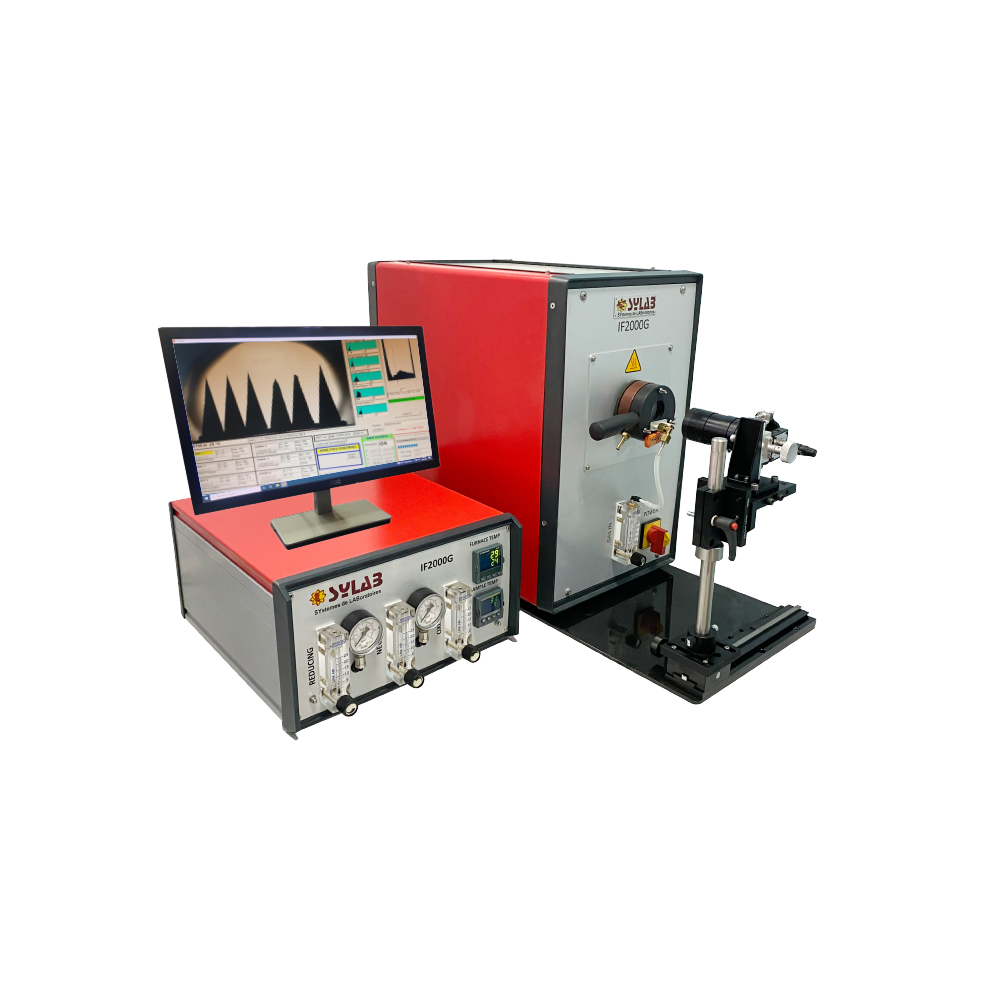
For laboratories and industries focused on efficiency, safety, and reliability, the IF2000G Series offers a dependable and future-ready solution for ash fusion analysis.
Comments
Post a Comment